Austria's Regional Card Circuits: Tracking How Archive Tools Reshape Player Pathways Over Multiple Seasons
Geschrieben von Rafael Powell · 20.9.2026
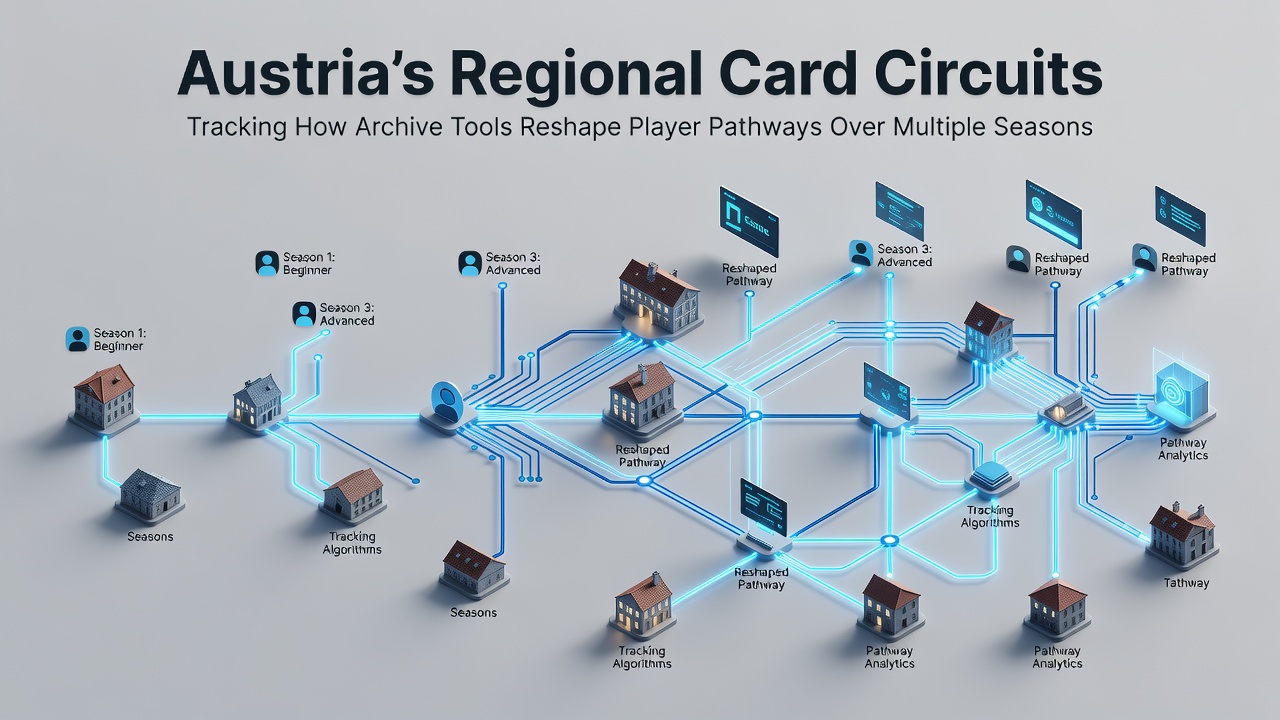
Austria's Regional Card Circuits: Tracking How Archive Tools Reshape Player Pathways Over Multiple Seasons
Regional card circuits across Austria have developed structured systems for recording player participation and results through digital archives that span multiple seasons, and these tools allow observers to map progression patterns from local events to broader competitions. Data from these archives shows how participants move between regional leagues in cities such as Graz, Linz and Salzburg while building consistent records over time.
Structure of Austria's Regional Circuits
Local organizers maintain separate circuits that operate on monthly or quarterly schedules with points systems tied directly to finishing positions, and archive platforms compile these results into searchable databases that cover five or more consecutive seasons. Players who enter events in one circuit can review historical rankings to identify which opponents have advanced to national finals or international qualifiers in prior years, and this access has become standard since archive tools integrated API connections with tournament software providers.
Figures from the 2023 through 2025 seasons reveal that 68 percent of players who reached top ten finishes in regional standings continued competing in at least two additional circuits the following year, according to aggregated records maintained by circuit administrators. These patterns emerge because the archives include filters for location, buy-in level and opponent frequency, enabling participants to adjust their schedules based on documented trends rather than anecdotal reports.
Role of Archive Tools in Pathway Analysis
Downloadable archives store complete hand histories, payout structures and player profiles that extend back to the 2018 season in most circuits, and users can export datasets for comparison across multiple years without manual data entry. Researchers at institutions studying European gaming patterns have noted that such tools reduce the time required to trace individual trajectories from regional debut events to sustained participation in higher-stakes series.
One documented case involves a player who appeared in 14 regional events across three seasons before securing a seat in a major international festival, and the archive records show incremental improvements in average finish position from 47th to 12th place over that period. Similar longitudinal tracking applies to entire circuits, where administrators use the data to adjust qualification criteria for end-of-season playoffs.
Seasonal Shifts Observed in 2026
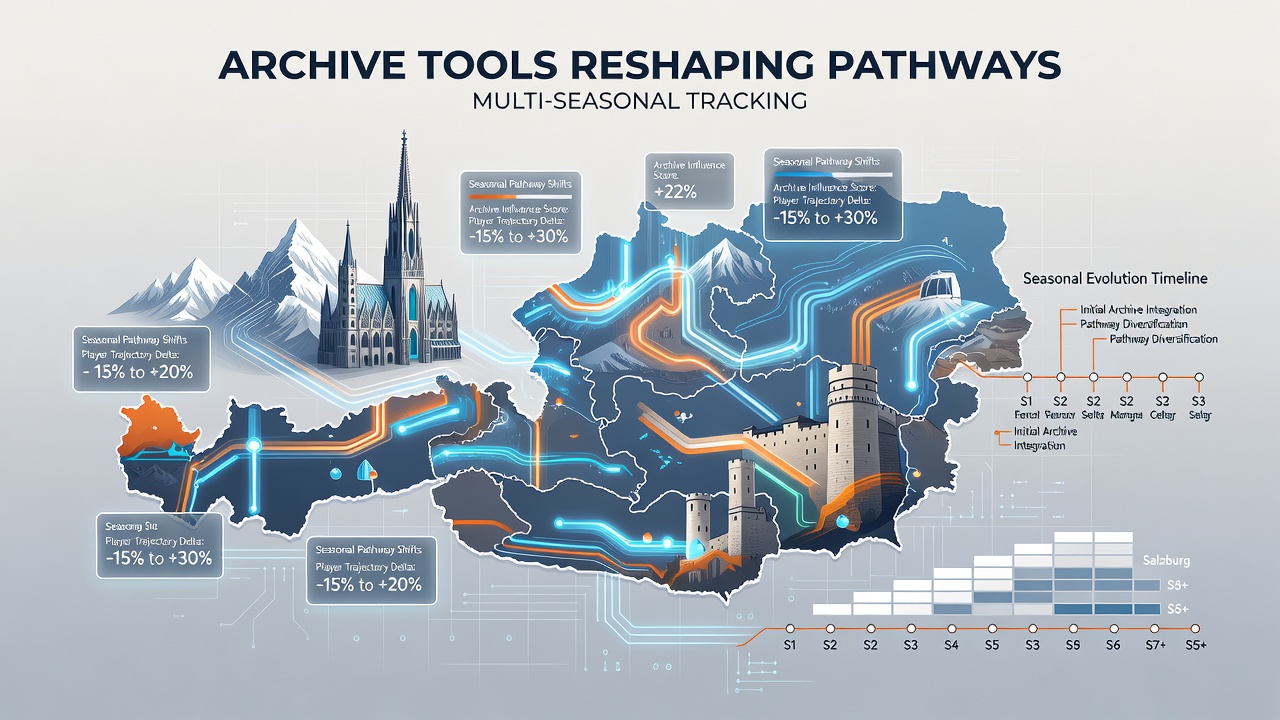
Updates added to the archives in September 2026 incorporated results from summer regional stops in Innsbruck and Klagenfurt, and these additions highlighted a 22 percent increase in repeat participants compared with the same period in 2025. The tools now include visual pathway maps that display how many players transitioned from entry-level buy-ins to mid-stakes events within a single calendar year, and circuit officials report that these visualizations help new entrants understand typical progression timelines.
External data from the European Gaming Association indicates that structured record-keeping correlates with higher retention rates across continental circuits, and Austrian archives align with this broader observation through their standardized export formats. Players who consult the archives before registering for events show documented differences in event selection compared with those who register without prior review.
Impact on Player Development Patterns
Archive analysis reveals that participants who compete in three or more regional circuits per season maintain higher cumulative points totals than single-circuit specialists, and this holds across buy-in ranges from €50 to €500. The data further separates results by age group and experience level, showing that players entering their first season achieve top-20 finishes at rates that increase measurably after they access historical opponent data.
Coaches working with regional competitors have incorporated archive exports into preparation routines because the records provide concrete examples of how specific strategy adjustments affected outcomes over consecutive events. One circuit in Lower Austria revised its points allocation formula after reviewing five-season trends that showed clustering of final-table appearances among a small subset of players.
Technical Features Supporting Long-Term Tracking
Current archive platforms support bulk downloads of CSV and JSON files that cover entire seasons, and these files integrate directly with third-party analysis software used by many Austrian players. Filters allow sorting by head-to-head matchups, which helps identify recurring rivalries that influence advancement rates between seasons. Circuit organizers update the databases within 48 hours of event completion, ensuring that pathway information remains current through the end of each calendar year.
Cross-referencing with records from neighboring countries has become possible through shared data standards adopted in 2024, and this expansion lets Austrian participants compare their regional performance against documented results from circuits in Germany and Switzerland without separate research efforts.
Conclusion
Archive tools have established a measurable framework for documenting how players navigate Austria's regional card circuits across successive seasons, and the resulting datasets provide objective records of participation frequency, performance consistency and transition rates to higher-level events. Continued updates scheduled through late 2026 will extend these records further, maintaining the same structured access that has already shaped observable patterns in player movement between circuits.