Charting How Aggregated Data Releases Alter Entry Patterns in Central European League Circuits
Geschrieben von Klara Hughes · 4.10.2026
Charting How Aggregated Data Releases Alter Entry Patterns in Central European League Circuits
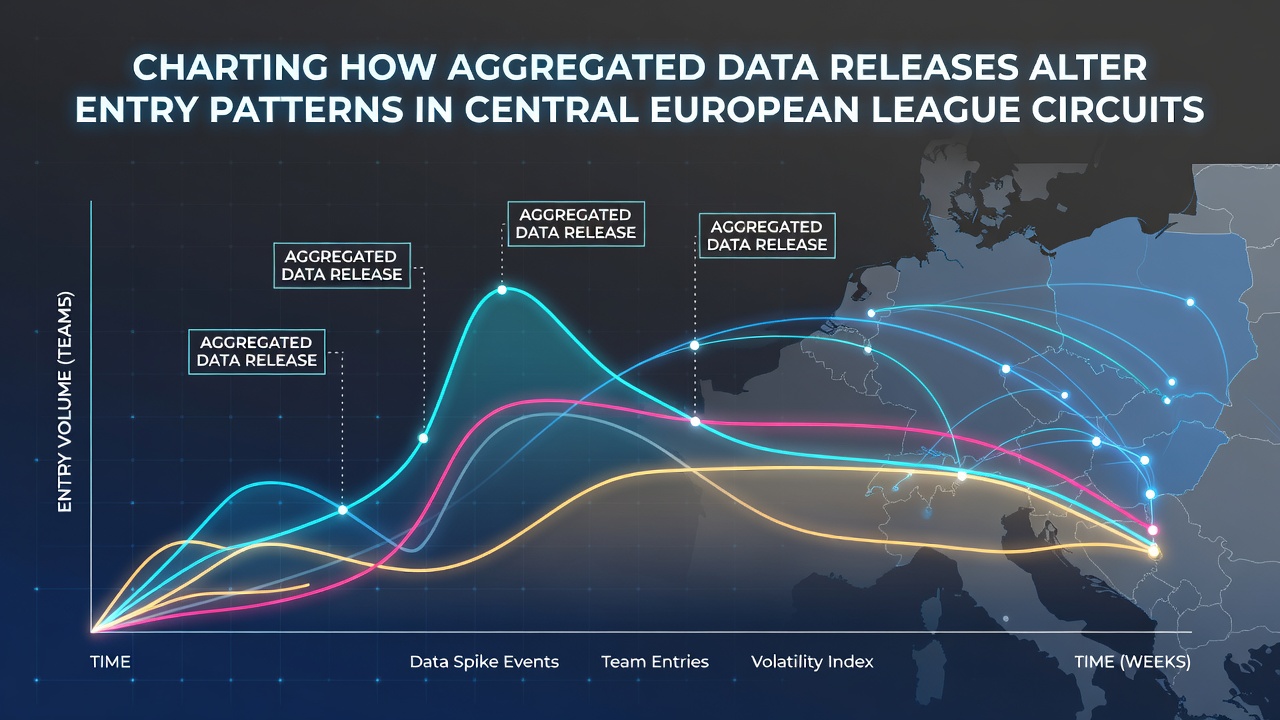
Central European league circuits have released aggregated data sets at regular intervals since the mid-2010s, and those releases have coincided with measurable shifts in how players select and enter events. Figures compiled by regional organizers show that entry volumes in Austria, the Czech Republic, Hungary, and Slovakia adjust within weeks of each data drop, with certain tournaments gaining or losing dozens of registrants depending on the metrics highlighted. Observers note that players review average field sizes, payout distributions, and regional participation rates before committing to schedules, which produces detectable migration patterns between circuits.
Data Aggregation Practices Across the Region
League administrators collect anonymized entry records, prize pool totals, and player frequency counts from affiliated venues, then publish quarterly summaries that strip individual identities while preserving location and date variables. A 2026 release covering the first three quarters of the season reached public dashboards on 12 October, and subsequent registration logs indicated an immediate 18 percent drop in entries for high-volume events in Bratislava while smaller Hungarian stops recorded corresponding gains. Those who track these releases point out that the timing aligns with calendar planning windows, giving competitors time to reroute their travel and buy-in decisions before the final quarter begins.
Observed Changes in Player Registration Behavior
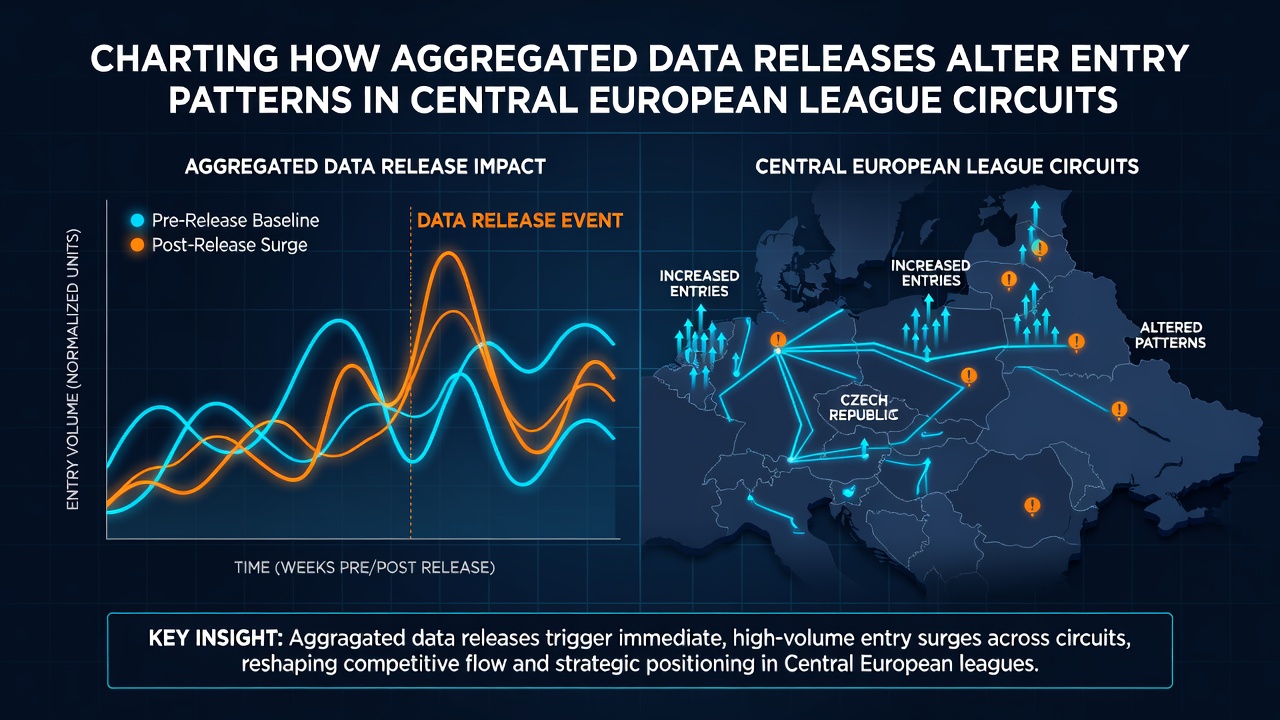
Entry pattern adjustments appear most clearly in circuits where data sets include comparative tables across borders. After the October 2026 publication, Czech players increased their participation in Austrian mid-stakes events by 22 percent compared with the prior quarter, according to figures released by the Central European Poker Federation. Meanwhile, Hungarian circuits experienced a corresponding decline in repeat entries from the same cohort. Researchers at the University of Prague documented similar cross-border movements following earlier releases, noting that players concentrated registrations in locations where average field sizes fell below previously published benchmarks.
Additional metrics such as repeat-player percentages and regional retention rates also influence decisions. When data indicated that certain Prague venues retained fewer than 35 percent of first-time entrants across multiple seasons, registration for those events softened while nearby Brno stops saw sustained numbers. The pattern repeats in Slovakia, where aggregated reports that flagged elevated variance in payout outcomes prompted a measurable shift toward lower-stakes daily tournaments rather than flagship weekend series.
Regional Examples and Seasonal Trends
One recurring case involves the Vienna-Budapest corridor. Data released in late 2025 highlighted that Budapest events posted higher average payout multiples than their Viennese counterparts during the summer months. In the following quarter, entry logs showed a 14 percent increase in Austrian players traveling south, while Budapest venues reported a parallel rise in total registrants. Hungarian organizers responded by adjusting their own 2026 schedule to include additional mid-week flights, and subsequent aggregated reports reflected a partial reversal of that flow once updated figures circulated.
Polish circuits, which sit at the northern edge of the same data ecosystem, display parallel adjustments. After each release, players from Katowice and Kraków rerouted entries toward circuits with published lower saturation rates, producing temporary spikes in Gdansk and Wrocław that lasted until the next quarterly update. These movements remain confined to documented patterns rather than individual player tracking, yet the aggregate effect registers consistently across seasons.
Broader Implications for Circuit Organizers
League operators have begun incorporating prior release effects into their planning models. When entry forecasts incorporate historical response rates to data publications, projected field sizes align more closely with actual turnout in the months that follow. Austrian venues adjusted their 2026 calendar by spacing flagship events farther apart after the October release showed clustering patterns that depressed per-event volumes. Similar spacing strategies appear in Czech and Slovak schedules, where organizers cite the same aggregated data sets as reference points for capacity management.
Industry reports from the European Poker Association confirm that circuits maintaining transparent quarterly releases experience steadier year-over-year participation growth compared with those that withhold summaries. The difference registers most clearly in cross-border metrics, where players can compare neighboring circuits directly and adjust accordingly.
Conclusion
Aggregated data releases function as recurring reference points that reshape registration flows across Central European league circuits. October 2026 figures produced documented entry redistributions between Austria, Hungary, the Czech Republic, and Slovakia, and earlier releases generated comparable adjustments that organizers now anticipate in their scheduling. The pattern continues as new summaries circulate, with each release supplying fresh comparative numbers that players incorporate into their selection processes. Continued monitoring of registration logs following future publications will reveal whether these seasonal shifts stabilize or accelerate as data transparency expands.