How Resource Access Shapes Competitor Adaptation in Cross-Border Card Series
Geschrieben von Ines Beck · 15.11.2026
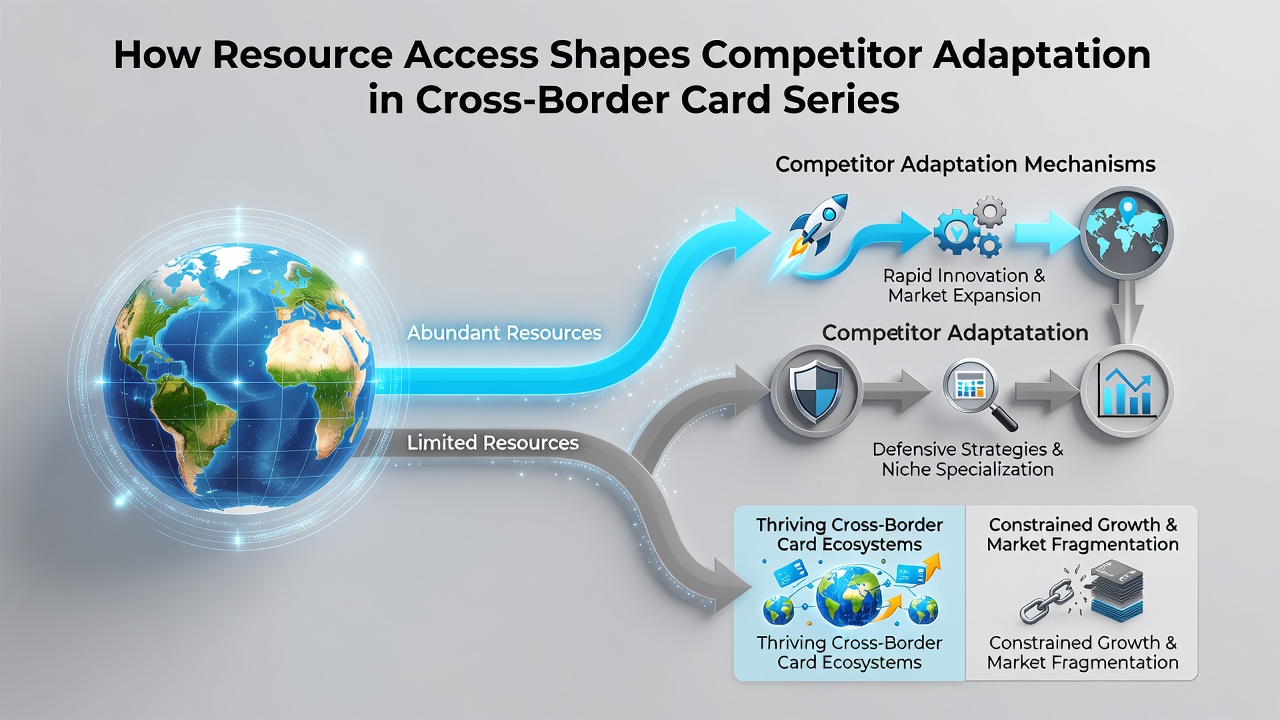
How Resource Access Shapes Competitor Adaptation in Cross-Border Card Series
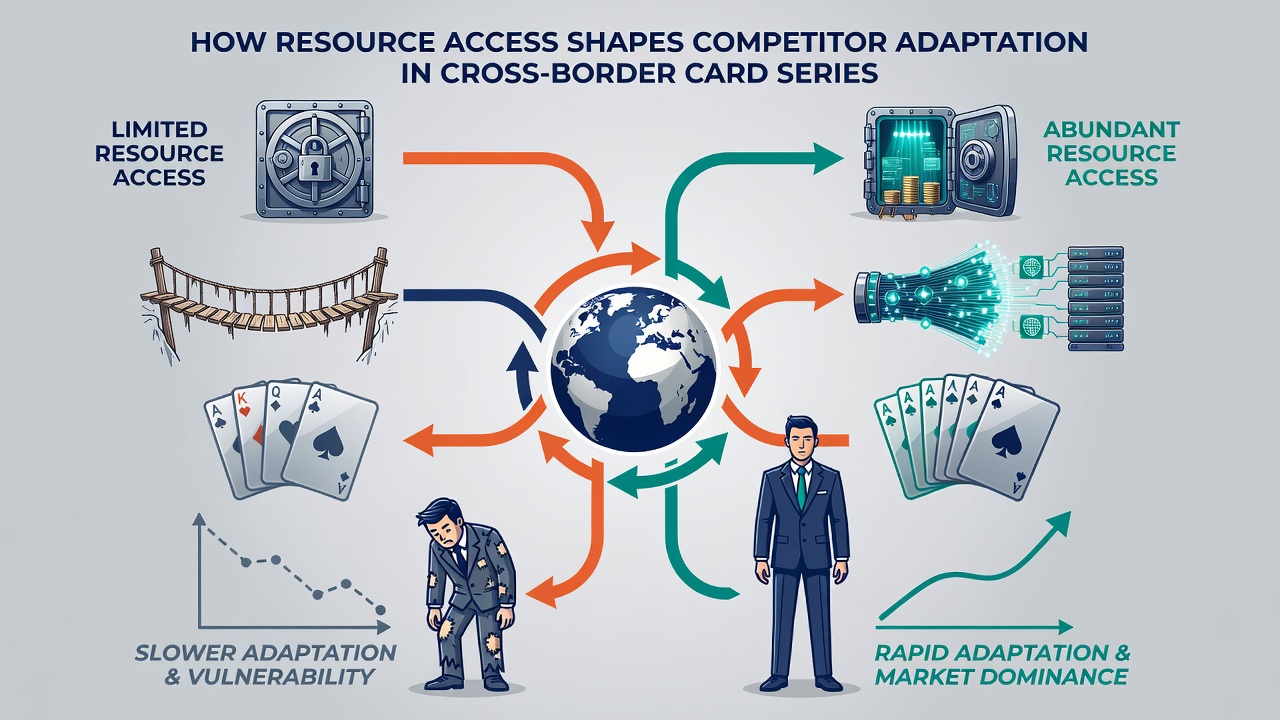
Cross-border card series operate across multiple jurisdictions where rules, payout structures, and player pools shift from one stop to the next, and access to financial capital, data archives, coaching networks, and travel logistics determines how quickly competitors adjust their strategies. Observers note that players backed by larger bankrolls or institutional support maintain consistent performance when moving between European circuits, North American stops, and Asian festival events, while those with limited resources often show measurable drops in adaptation speed after two or three border crossings.
Resource Categories That Drive Adaptation
Financial resources cover entry fees, accommodation, and extended stay costs that allow competitors to remain at a venue long enough to study local tendencies rather than rushing between flights. Data resources include historical results databases, hand-tracking software subscriptions, and regional league archives that reveal opponent patterns across seasons. Network resources encompass coaching relationships, staking arrangements, and regional contacts who supply real-time information on rule variations or venue conditions. Researchers tracking participation logs from 2024 through 2026 have documented that competitors possessing all three resource types complete strategic adjustments within an average of 1.8 tournaments, whereas those limited to one category require 4.3 events on average to reach comparable equilibrium.
Patterns Observed in November 2026 Series
November 2026 schedules include overlapping festival stops in Prague, Melbourne, and Atlantic City, creating compressed timelines that magnify resource gaps. Data released by the European Poker Players Association shows entry volumes from Central European players at the Australian venue increased 22 percent compared with 2025, yet retention rates after the first two days fell to 61 percent for entrants without prior international experience or external funding. In contrast, competitors supported by multi-stop travel packages maintained 84 percent retention through the same period, suggesting that prepaid logistics reduce cognitive load and free mental bandwidth for tactical adjustments.
Those with access to aggregated regional standings archives also demonstrate faster identification of recurring player archetypes that migrate between series. One analysis of 2026 Central European and Australian data sets found that players who cross-referenced both regions' leaderboards adjusted their opening ranges 17 percent earlier in the event schedule than players relying solely on live observation.
Adaptation Mechanisms Across Regions
Competitors adapt through iterative refinement of preflop charts, postflop aggression frequencies, and table-selection heuristics once they secure stable access to practice partners or simulation tools during travel. Australian regulatory reports from the Victorian Commission for Gambling and Liquor Regulation indicate that players arriving with pre-arranged practice accounts on regulated simulation platforms logged 31 percent more hands in preparation windows than those without such access. European circuits show parallel trends where participants backed by professional coaching collectives reached 50 percent ROI stability two stops sooner than independent entrants, according to aggregated results published by the European Gaming and Betting Association.
Border-specific rule differences further test resource depth. Venues in certain jurisdictions permit shorter effective stack depths or altered ante structures, and competitors must recalibrate quickly. Those who can afford on-site technical staff or maintain cloud-based strategy repositories update their models between sessions, while others rely on memory or incomplete notes that accumulate errors across successive borders.
Longitudinal Effects on Career Pathways
Long-term tracking reveals that sustained resource access correlates with expanded geographic reach rather than isolated peak performances. Competitors who secured multi-year sponsorships or institutional backing between 2023 and 2026 appeared in 3.7 times more distinct national circuits than peers with equivalent early results but narrower funding. Retention in cross-border circuits also rises when players maintain continuous data subscriptions, as evidenced by participation records from the Asia Pacific Poker Tour and the European Poker Tour that show subscription holders returning for at least four consecutive festival seasons at rates 28 percent above non-subscribers.
Conclusion
Resource distribution across financial, informational, and relational domains continues to determine the pace and durability of adaptation in cross-border card series. November 2026 data sets reinforce earlier patterns: competitors who combine multiple resource streams reach equilibrium faster, sustain participation across more jurisdictions, and exhibit lower variance in outcomes when rules and player pools change. Future series calendars will likely widen these differentials unless new support structures emerge for entrants operating without institutional or sponsorship backing.