The Hidden Dynamics of Skill Building in Vienna's Weekly Card Game Gatherings
Geschrieben von Ines Beck · 20.8.2026
The Hidden Dynamics of Skill Building in Vienna's Weekly Card Game Gatherings
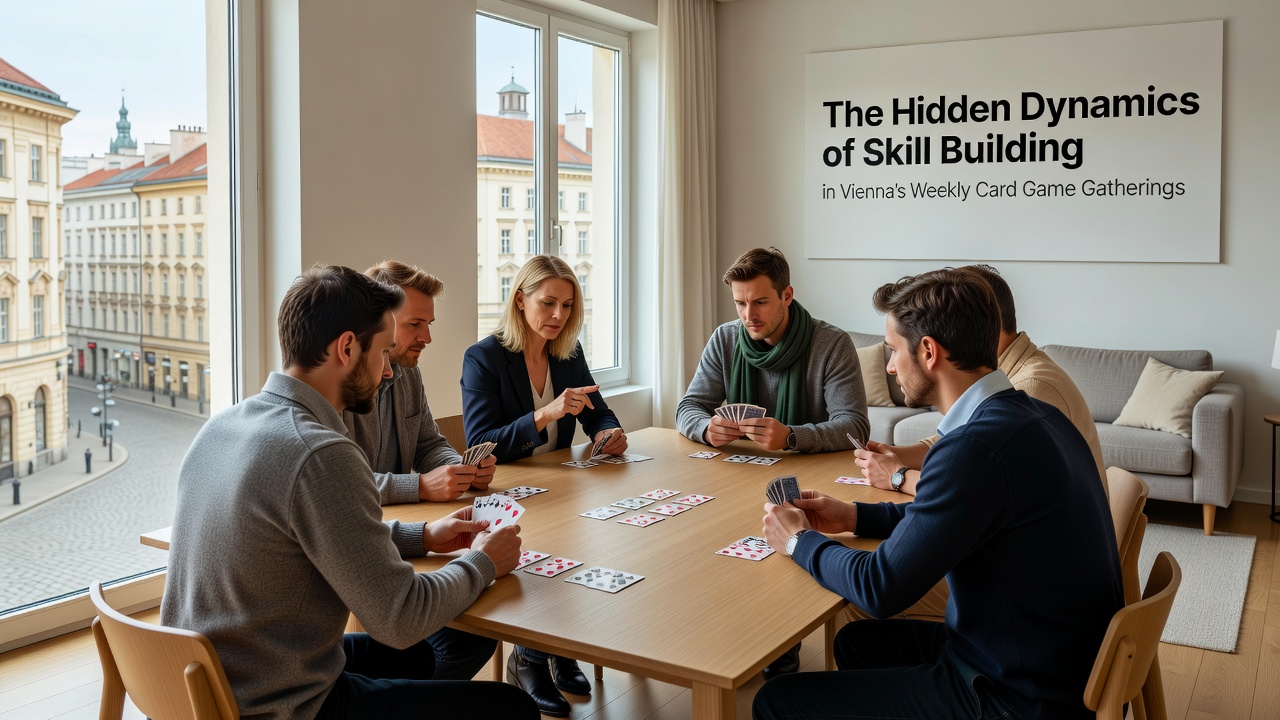
Vienna hosts numerous weekly card game gatherings that operate in community spaces, cafes, and private clubs throughout the city, where players convene regularly to participate in games including Tarock, Schnapsen, and various forms of poker. These meetings function as consistent environments for skill development because participants return week after week and encounter the same opponents over extended periods. Data from local gaming associations indicate that attendance at such events has remained steady since 2023, with average group sizes ranging from eight to twenty individuals per session.
Core Mechanics of Regular Play Sessions
Each gathering follows a predictable rhythm that begins with arrival and casual conversation before transitioning into structured rounds that last two to four hours. Players rotate tables or partners according to informal rules established by the group, which creates repeated exposure to different playing styles and decision patterns. Observers note that this rotation pattern encourages adaptation because individuals must adjust strategies mid-session when facing new combinations of opponents. Sessions typically conclude with brief reviews of notable hands, yet these discussions remain focused on specific plays rather than overall rankings.
Venues such as traditional Viennese coffee houses allocate dedicated tables on designated evenings, while community centers provide larger rooms equipped with standard decks and scoring sheets. Scheduling often clusters around midweek dates to accommodate work routines, although weekend options appear in certain districts. August 2026 marks the continuation of these established patterns, with several groups adding extra meetings to accommodate summer visitors who join temporarily before returning to their regular schedules.
Cognitive and Strategic Skill Acquisition
Research conducted by institutions in central Europe demonstrates that repeated participation in card games correlates with measurable improvements in memory retention, probability assessment, and pattern recognition. Studies from university programs in Austria and neighboring countries show participants scoring higher on cognitive flexibility tests after six months of consistent weekly play compared with control groups who engage in solitary puzzle activities. The games themselves require tracking multiple variables simultaneously, such as remaining cards, opponent tendencies, and scoring thresholds, which builds these capacities through direct application rather than abstract exercises.
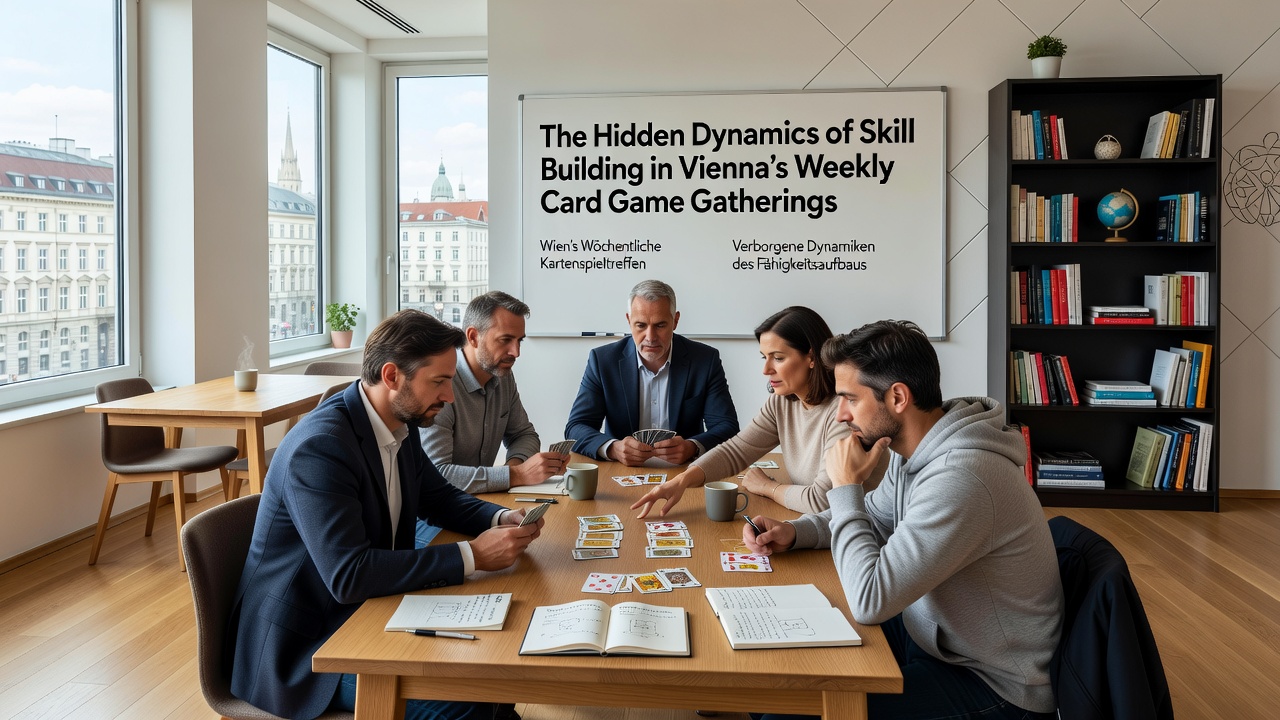
Skill progression occurs incrementally because each session presents familiar yet variable conditions. Novice players first master basic rules and then advance to anticipating sequences based on observed behaviors. Experienced participants refine bluffing techniques and risk calculations, drawing on accumulated data from prior encounters with the same individuals. Figures from regional gaming reports reveal that long-term attendees often transition into informal mentoring roles, explaining tactical choices to newer members during breaks.
Social Dynamics and Group Learning Processes
Group composition tends to remain stable over months or years, which allows interpersonal knowledge to accumulate alongside technical expertise. Participants learn to read subtle cues such as betting pace or hesitation patterns that emerge only after multiple interactions. This shared history creates an environment where feedback arrives naturally through subsequent plays rather than explicit instruction. European research networks focused on recreational activities have documented similar dynamics in other card-playing communities across the continent, noting that social continuity supports sustained engagement and incremental improvement.
Turnover occurs when individuals relocate or change work schedules, yet core members maintain continuity by onboarding replacements through paired play. The process integrates new arrivals while preserving established norms around pace and etiquette. Data collected by Austrian recreational associations indicate that groups with higher retention rates exhibit faster average skill gains among all members because collective experience compounds across sessions.
Measurement of Progress and External Factors
Progress tracking relies primarily on internal metrics such as win rates within the group or successful application of specific strategies. Some gatherings maintain optional score logs that span multiple weeks, providing participants with tangible records of improvement. External influences including seasonal changes in attendance or venue availability affect session frequency, yet core activities resume without interruption once conditions stabilize. Reports from industry organizations such as the European Gaming and Betting Association highlight how structured recreational formats contribute to cognitive maintenance across adult populations when participation remains regular.
August 2026 continues to follow these established cycles, with gatherings in several districts reporting consistent turnout despite typical summer fluctuations. The patterns observed across multiple years suggest that the underlying mechanisms of skill building persist regardless of minor external variations.
Conclusion
Vienna's weekly card game gatherings operate as sustained systems where cognitive skills, strategic adaptation, and social learning intersect through repeated structured interaction. Available evidence from academic and industry sources confirms that these environments support measurable development in probability reasoning and interpersonal awareness when participation extends over time. The continuity of these meetings into 2026 demonstrates their embedded role within local routines, with skill acquisition emerging directly from the mechanics of regular play rather than from separate training methods.