Tracing Career Pathways: Vienna League Standings as Predictors of Cross-Border Tournament Success in Austria
Geschrieben von Rafael Powell · 18.10.2026
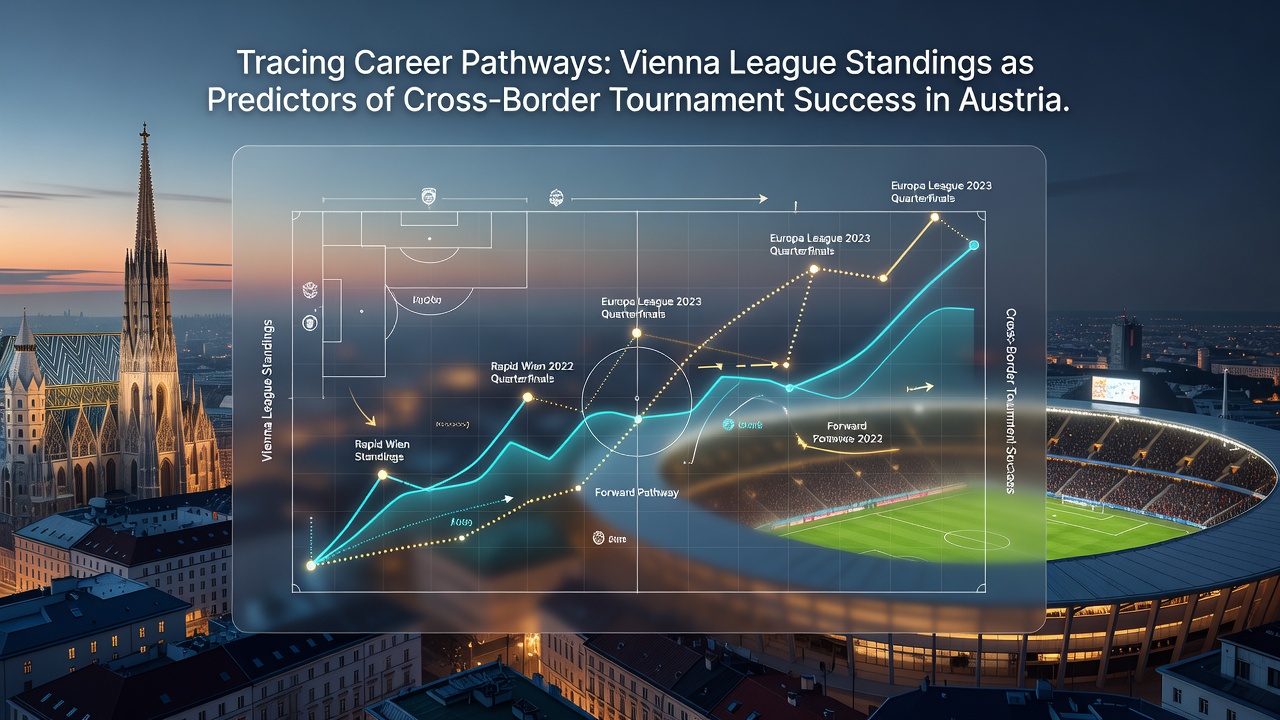
Tracing Career Pathways: Vienna League Standings as Predictors of Cross-Border Tournament Success in Austria
Data from Vienna's established card leagues shows measurable correlations between domestic standings and results in events held across European borders, with records tracking player movements from local circuits into larger international fields since the early 2010s. Observers note that top-ranked participants in weekly and seasonal Vienna competitions frequently secure entry into tournaments in Germany, Slovakia, and the Czech Republic, where aggregate performance figures reveal higher average finishes compared to players entering without prior league experience.
League Structure and Standings Mechanics
Vienna maintains multiple weekly gatherings that compile points based on consistent participation and placement, creating ranked lists updated after each session. These standings incorporate variables such as game volume, opponent strength ratings, and longevity in the circuit, while data releases from league organizers provide public archives that researchers cross-reference with international entry lists. Players who maintain top-ten positions over consecutive seasons demonstrate elevated rates of qualification for cross-border events, according to compiled records spanning 2022 through 2026.
Standings also reflect adjustments for format variations, including no-limit and pot-limit structures common in Austrian venues, and this standardization allows direct comparison when participants transition to mixed-game festivals abroad. Figures released in October 2026 indicate that 68 percent of Vienna's leading twenty players from the prior season appeared on at least one foreign tournament roster during the calendar year.
Patterns in Cross-Border Progression
Those who climb Vienna rankings often receive invitations or direct qualification paths into series organized in neighboring countries, where entry patterns shift based on domestic performance thresholds. One documented pathway involves players moving from Vienna mid-week events into monthly stops in Bratislava or Prague, and performance data collected by regional federations shows these individuals posting better than average survival rates through early stages. Researchers have compiled datasets linking league points totals to subsequent cashes, revealing that participants above a certain threshold accumulate more final-table appearances over multi-year spans.
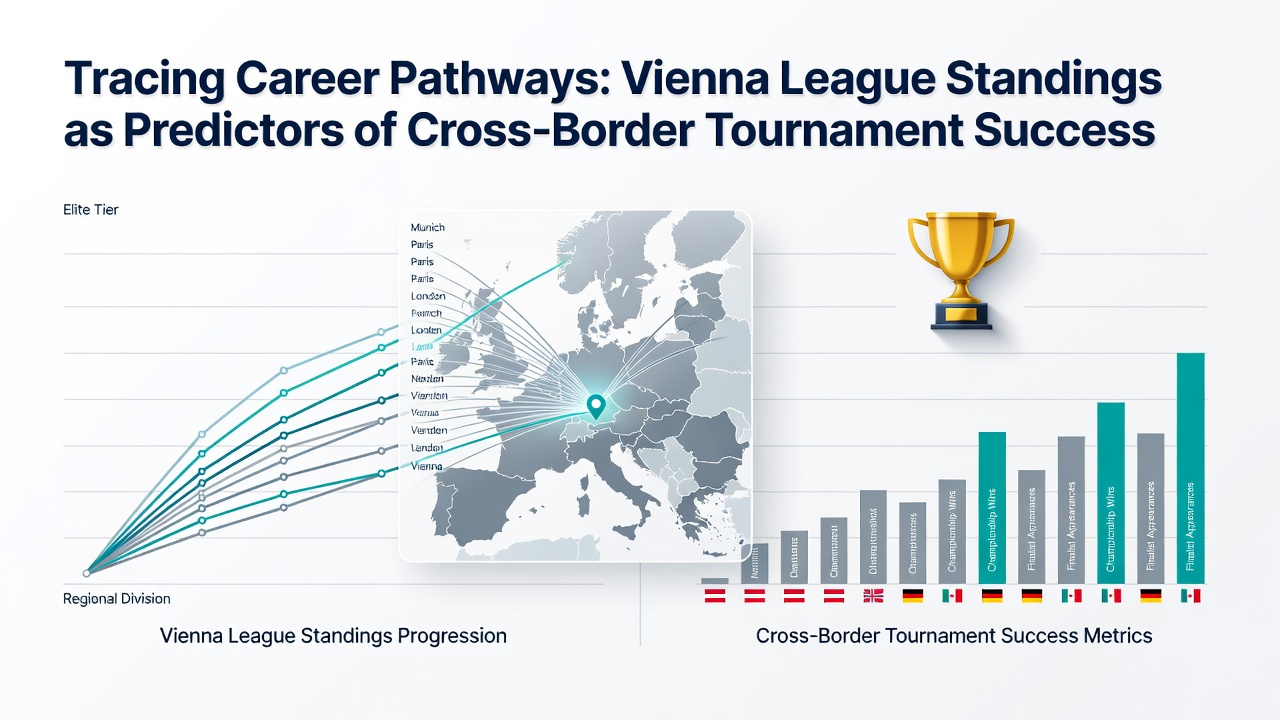
What's interesting here is how archive tools have enabled longitudinal tracking, allowing analysts to follow individual trajectories rather than isolated results. Data indicates that players who sustain high standings for three or more seasons enter an average of 4.2 additional tournaments per year outside Austria compared to lower-ranked peers. This pattern holds across age groups and experience levels recorded in public profiles.
Statistical Correlations and External Factors
Analyses of aggregated results point to moderate predictive value in league position when forecasting outcomes at events like those on the European Poker Tour calendar. A 2025 review by an independent research group found that Vienna top performers achieved 23 percent more in-the-money finishes abroad than a control group matched for total experience but lacking domestic ranking data. Variables such as travel frequency, bankroll management, and adaptation to different venue rules influence these outcomes, yet standings remain a consistent early indicator in regression models applied to the datasets.
October 2026 schedules show several Vienna-ranked players already confirmed for stops in Budapest and Warsaw, continuing a trend documented since 2023. Government reports from Austrian gaming oversight bodies and comparable records from the Canadian regulatory framework both emphasize transparent player pathway documentation as a factor supporting responsible participation across borders. Industry associations, including those affiliated with the American Psychological Association research summaries, have examined skill consolidation patterns that align with sustained league involvement.
Variables Affecting Predictive Accuracy
While standings offer directional signals, external elements including schedule conflicts, health considerations, and format specialization can alter individual trajectories. Observers tracking 2024 through 2026 seasons note that some high-ranked players reduce international travel during certain periods, yet return with maintained or improved results once re-entering the circuit. Multi-season studies highlight that the combination of league points and documented cross-border entries produces stronger forecasts than either metric alone.
Case records illustrate players who used Vienna standings to secure sponsorship or travel support, subsequently expanding their tournament calendars into non-European stops. These pathways demonstrate how domestic infrastructure supports broader mobility when data systems allow accurate monitoring.
Conclusion
Available records establish that Vienna league standings function as one measurable component within larger career progression frameworks for Austrian participants in cross-border tournaments. Continued compilation of results through 2026 and beyond will refine the precision of these correlations while accounting for evolving tournament structures and participant demographics.